
Growing Green: Trends in Environmentally Healthy Gardens
As Australians become increasingly aware of environmental challenges—from water scarcity to biodiversity loss—many gardeners are adopting sustainable practices that reduce ecological impact whilst creating beautiful, thriving outdoor spaces. Environmentally conscious Australian gardens benefit both the planet and local ecosystems, promoting biodiversity whilst creating healthier spaces for us to enjoy.
Here are the latest trends in sustainable Australian gardening that are gaining momentum across the country.
Native Plant Landscaping

Native plant landscaping is transforming Australian gardens. Indigenous plants have evolved over millennia to suit our specific climate zones, soil types, and rainfall patterns. This means they require significantly less water, fertiliser, and maintenance than exotic species once established. Native gardens featuring eucalypts, banksias, grevilleas, and native grasses thrive with minimal intervention whilst providing essential food and habitat for local wildlife—from honeyeaters and rosellas to native bees and butterflies. This approach supports Australia's unique biodiversity right in your backyard.
Drought-Resistant Landscaping

With water restrictions a recurring reality across Australian cities and regional areas, drought-resistant landscaping has become essential rather than optional. Water-wise gardens incorporate Australian natives naturally suited to low rainfall, succulents, and Mediterranean plants that tolerate dry conditions. Mulching heavily, installing efficient drip irrigation systems, and choosing permeable paving materials all reduce water consumption. Many councils now offer rebates for installing water-efficient gardens, recognising their importance in our water-challenged climate.
Organic Gardening

Organic gardening practices continue gaining popularity among environmentally conscious Australian gardeners. Avoiding synthetic pesticides and fertilisers in favour of natural alternatives—compost, mulch, worm castings, and companion planting—fosters healthier soil and reduces chemical runoff into waterways. This approach creates balanced ecosystems where beneficial insects control pests naturally. Australian organic gardening also focuses on building soil health suited to our often poor, ancient soils through regular organic matter additions.
Wildlife-Friendly Features

Creating wildlife corridors and habitat in suburban Australian gardens helps counter biodiversity loss from urban development. Bird baths provide essential water sources during dry periods. Native bee hotels support our important native pollinators. Leaving hollow logs creates shelter for blue-tongue lizards and small mammals. Planting indigenous flowering plants in succession ensures year-round food sources for native birds and insects. These features transform suburban gardens into vital stepping stones for wildlife movement across urban landscapes.
Rainwater Harvesting

Rainwater harvesting is increasingly common across Australian homes, particularly in areas experiencing extended dry periods or water restrictions. Installing rainwater tanks—from compact slimline models for urban courtyards to substantial tanks on rural properties—captures roof runoff for garden irrigation. Many Australian councils offer rebates for rainwater tank installation, recognising their value in reducing demand on mains water supplies. Tank water is also preferable for many Australian natives that don't tolerate heavily chlorinated town water.
Sustainable Garden Materials

When furnishing your sustainable Australian garden, material choices matter. Recycled timber, recyclable aluminium, and eco-friendly HDPE wicker minimise environmental impact. Our outdoor furniture collections feature fully recyclable woven materials and rust-proof aluminium frames designed for longevity—reducing waste by eliminating the need for frequent replacement that plagues cheap outdoor furniture. Choosing durable, recyclable materials aligns with sustainable garden principles whilst providing furniture that handles Australian conditions for years.
Smart Gardening Technology
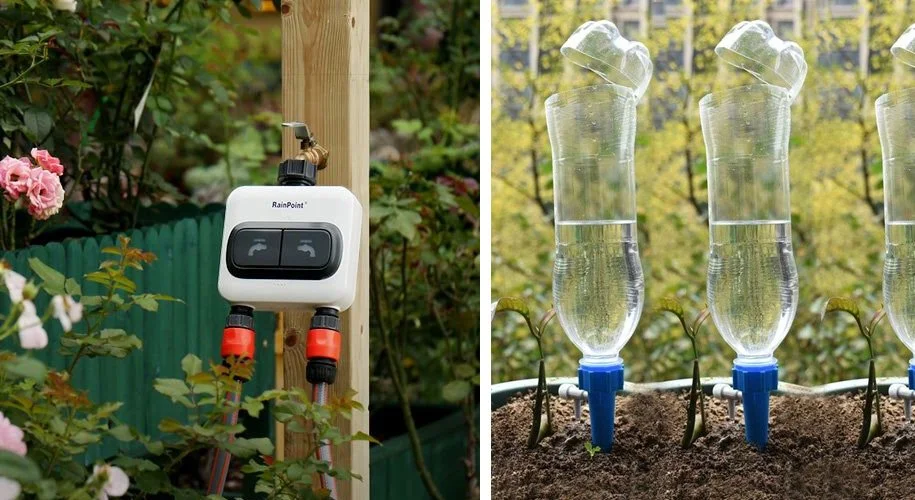
Technology is making Australian gardens more water-efficient and easier to maintain sustainably. Smart irrigation controllers adjust watering based on weather forecasts and soil moisture levels, preventing wasteful irrigation before or after rain. Soil moisture sensors ensure plants receive water only when needed. Weather station data integration optimises watering schedules for local conditions. These technologies help Australian gardeners conserve precious water whilst maintaining healthy gardens even during extended dry spells.
Sustainable Australian gardens represent a growing movement toward environmental responsibility. By incorporating native plants, water-wise practices, wildlife habitat, and durable recyclable materials, you create a garden that enhances your lifestyle whilst contributing to a healthier planet. These practices are particularly crucial in Australia, where water scarcity, unique biodiversity, and challenging climate conditions make sustainable approaches essential rather than optional.
Whether you're working with a compact urban courtyard or a sprawling bush block, adopting sustainable gardening trends creates a beautiful, environmentally responsible space that benefits both you and Australia's unique natural environment.
Complete your sustainable outdoor space with durable, recyclable outdoor furniture designed specifically for Australian conditions—furniture that lasts for years rather than months, reducing waste whilst providing comfortable spaces to enjoy your environmentally healthy garden.